
For free quotations & home visits call
Grimsby 01472 565 084 or
Louth 01507 640 072
As temperatures drop across Grimsby, many homeowners discover unexpected moisture in their lofts. Damp roof timbers, water droplets and musty smells can all cause concern. However, these problems don’t always mean your roof is leaking. Experienced Roofers Grimsby that homeowners trust can help identify whether the problem involves condensation or damaged roofing materials. Understanding Why Is My Loft Wet in Winter? Is It Condensation or a Roof Leak? can help prevent unnecessary repairs and protect your property.
Why Does Condensation Form in My Loft During Winter?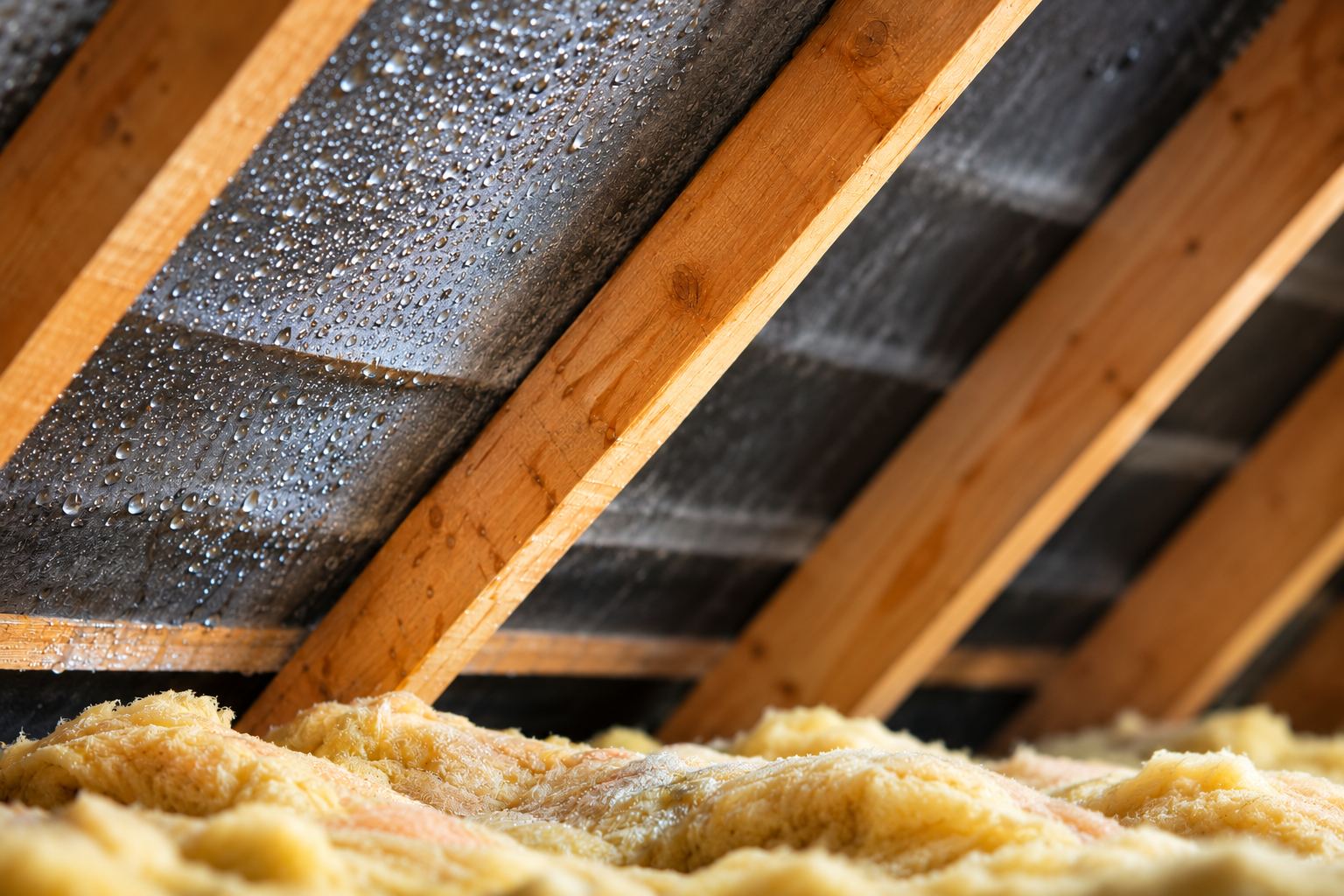
Condensation becomes more noticeable during autumn and winter because of the difference between indoor and outdoor temperatures. Warm, moisture-filled air rises through your home and can enter the loft through gaps around ceilings and loft hatches. When this air meets cold roofing surfaces, water droplets can form. Consequently, homeowners might notice damp patches on roofing felt, wooden rafters or insulation.
Common causes include:
- Poor ventilation within the roof space.
- Bathroom extractor fans discharging into the loft.
- Insulation blocking ventilation openings.
- Warm air escaping through gaps in ceilings.
- Excessive moisture from everyday household activities.
Although occasional condensation may occur, persistent moisture should never be ignored. Over time, damp conditions can encourage mould growth and damage wooden roof structures.
How Can I Tell the Difference Between Condensation and a Roof Leak?
One of the biggest challenges homeowners face is identifying where moisture originates. Fortunately, several clues can help distinguish condensation from water entering through damaged roofing materials.
Signs Your Loft Has a Condensation Problem
Condensation often affects several areas rather than one specific location. For example, you might notice droplets across the underside of roofing felt during particularly cold mornings. Other signs include musty smells, mould developing on timbers and damp insulation. Furthermore, condensation may become worse after cooking, showering or drying clothes indoors.
Signs Your Roof Might Be Leaking
Roof leaks often create more localised moisture problems. For instance, water stains might appear beneath damaged tiles or around chimney flashing. Additionally, damp patches that become worse during rainfall could indicate water entering through the roof. However, water can travel along timbers before becoming visible. Therefore, the damp area might not sit directly beneath the damaged roofing material. If you cannot identify the cause, arranging a professional roof inspection is the safest option.
Can Poor Loft Ventilation Damage My Roof?
Yes, inadequate ventilation can contribute to long-term roofing problems. When moist air remains trapped inside a loft, condensation can repeatedly form on cold surfaces. As a result, wooden rafters and roof battens may remain damp for extended periods. Persistent moisture can eventually contribute to timber deterioration and mould growth. Furthermore, wet insulation may become less effective at retaining heat. However, improving ventilation doesn’t necessarily mean adding more vents without assessing the existing roof. Different roof constructions require different ventilation arrangements. Therefore, professional advice can help identify the most appropriate solution.
Why Is My Roofing Felt Wet in the Morning?
Discovering water droplets underneath roofing felt can be alarming. However, condensation commonly develops overnight when external temperatures fall. During colder weather, the underside of the roof covering can become significantly cooler than the air inside your loft. Consequently, moisture may collect on the surface before gradually evaporating as temperatures rise. Nevertheless, repeatedly wet roofing felt shouldn’t be dismissed as harmless. If moisture continues accumulating, it can eventually affect surrounding roofing materials. Additionally, damaged underlay or roof coverings can allow rainwater to enter. Therefore, identifying the source is essential before deciding whether repairs are necessary.
Can Wet Loft Insulation Cause Problems?
Loft insulation helps reduce heat loss and maintain comfortable indoor temperatures. However, insulation can become less effective when it becomes wet. Moisture can also create conditions that encourage mould growth around nearby materials. Furthermore, incorrectly installed insulation may block ventilation openings around the roof’s eaves. This can restrict airflow and contribute to condensation problems. If your insulation feels damp, identifying the source should be your first priority. Simply replacing wet insulation without addressing the underlying issue could allow the problem to return.
Will Loft Condensation Disappear When the Weather Gets Warmer?
Some condensation problems become less noticeable during spring and summer. However, this doesn’t necessarily mean the underlying problem has disappeared. As temperatures rise, moisture may evaporate more quickly. Nevertheless, poor ventilation and uncontrolled moisture can remain unresolved. Consequently, the same problem may return when colder weather arrives. This is why Why Is My Loft Wet in Winter? Is It Condensation or a Roof Leak? is an important question for homeowners experiencing recurring dampness. Identifying the cause now can help prevent further problems throughout winter.
When Should I Contact a Professional Roofer?
Not every damp loft requires major roofing work. However, certain warning signs suggest that a professional inspection would be beneficial.
These include:
- Water dripping from roofing timbers.
- Damp patches becoming worse after rainfall.
- Visible damage to roof tiles or flashing.
- Persistent moisture around chimney areas.
- Mould developing across wooden roof structures.
- Wet insulation that doesn’t dry out.
Importantly, never attempt to climb onto your roof to investigate these problems yourself. Wet, frosty and icy roofing surfaces can be extremely dangerous. Instead, an experienced roofing contractor can inspect the affected areas and recommend suitable repairs where necessary.
Protect Your Grimsby Home This Winter
Understanding Why Is My Loft Wet in Winter? Is It Condensation or a Roof Leak? This can help you make informed decisions about protecting your property. Although condensation and roof leaks can produce similar symptoms, they often require different solutions. Therefore, identifying the cause before arranging repairs can save time and unnecessary expense. At Raven Roofing & Repairs Ltd, we have over 20 years of roofing industry experience. We help homeowners throughout Grimsby and surrounding areas maintain and repair their roofs. Whether you’re concerned about damaged roof tiles, leaking flashing or moisture entering your roof space, our team can help. Contact Raven Roofing & Repairs Ltd today to discuss your roofing concerns and arrange a free quotation.
Customer Reviews